
Why Is My Dryer Overheating? What Gilbert Homes Should Check
A dryer that runs too hot - cabinet hot to the touch, clothes coming out scorching, laundry room heating up with every load - feels like a broken appliance. Sometimes it is. But before you book an appliance technician, there's a cause that sits outside the machine entirely: a blocked vent line refusing to let the heat leave. It's common enough, and cheap enough to rule out, that appliance repair guides put a restricted vent at the top of their own overheating checklists - ahead of any part replacement.
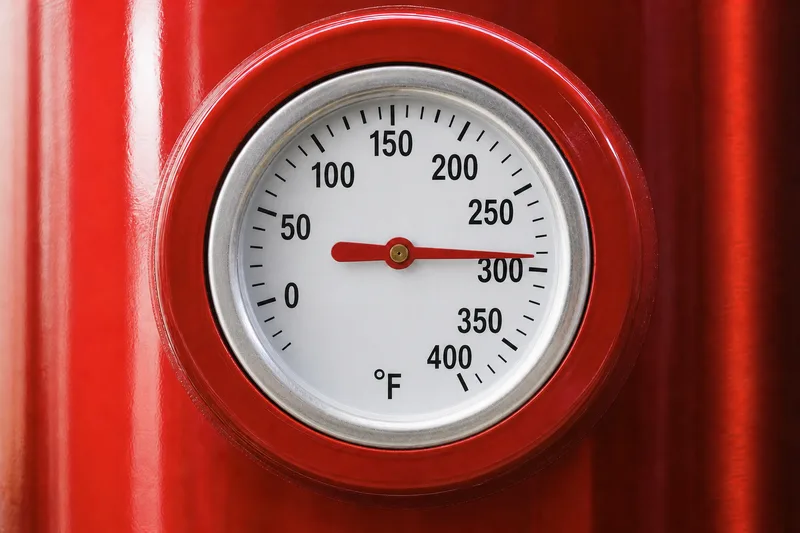
Where the heat is supposed to go
A dryer pulls in room air, heats it, pushes it through the tumbling clothes, and sends the hot, moist result outside. The exhaust duct is the designed exit for that heat. Restrict the duct with lint, and much of the heat that should be leaving the house stays behind instead - in the drum, in the cabinet, and eventually in the room. That's why a hot laundry room is one of the classic warning signs of a clogged vent, and why an overheating dryer so often has nothing wrong with its heating system - the heat is normal, the exit is blocked.
One thing that isn't on the list: the weather. The documented causes of a dryer running hot are restricted airflow and appliance-side faults - ambient temperature doesn't appear among them, in Arizona or anywhere else. If your dryer started running hot this summer, look at the duct before you blame the season.
Check the vent before you pay an appliance tech
Overheating puts you at a fork: appliance repair call, or vent check. The order matters for your wallet. A vent cleaning in Gilbert runs a flat $120 to $150, quoted before anyone arrives, and it either fixes the problem or hands you a measured airflow number that tells you where to look next. An appliance service call typically starts with a diagnostic fee, and it can't clear a blocked duct.
You can narrow it down yourself in ten minutes before calling anyone. Run the dryer and check the exterior hood: the flap should swing open with a steady stream of warm air. Weak airflow or a flap that barely moves points at the line. Pull the dryer forward and look at the connector behind it for crushing or kinks. What DIY covers and where it stops walks through all of it - the short version is that you can often spot the problem, but you can't clear the 15-to-25-foot runs common in two-story Power Ranch floor plans from the laundry room end, and you can't verify the result without measuring airflow.
Overheating also rarely travels alone. If clothes are taking two cycles to dry, there's a faint burning smell, or lint is showing up around the dryer cabinet, the case for the vent gets stronger with each one - the signs post covers the full list.
What the safety hardware is telling you
If your dryer doesn't just run hot but shuts off before the clothes are dry, that's the overheating story one chapter later. Most dryers carry a high-limit thermostat that cuts the heating element when exhaust temperatures climb past the normal operating range, and a thermal fuse behind it as the last line of defense. The fuse is a one-time device: when it blows, the dryer stops heating - on many models it won't start at all - until the fuse is physically replaced. A restricted vent is the classic reason thermal fuses blow, which is why replacing the fuse without clearing the line usually means buying another fuse soon after.
Mid-cycle shutoffs are the appliance protecting itself. Take the hint before the protection is the only thing standing between heat and a duct full of lint.
What a professional check actually measures
The reason to have the vent checked professionally rather than eyeballing it: a residential dryer vent cleaning comes with an airflow measurement, taken with an anemometer before and after the work. That number is what turns "the dryer seems better" into "the line is clear." The cleaning covers the full run from the dryer connection to the exterior termination, working from both ends on long runs - and if the airflow number doesn't recover after a clean line, that's your evidence the problem is elsewhere, which is exactly what you want to know before spending money on the appliance.
When it really isn't the vent
Two honest branches. First: if your vent was cleaned recently and the dryer still runs hot, the duct itself may be the restriction - crushed or kinked flex duct behind the cabinet, a disconnected joint, a run that's degraded with age. Cleaning can't fix physical damage. That's a dryer vent repair or replacement question, and "still underperforms after a recent cleaning" is the textbook indicator.
Second: if the line tests clear and the dryer still overheats, the cause is on the appliance side. A cycling thermostat that's supposed to regulate drum temperature can fail, and heating element problems can keep a dryer hotter than it should be no matter how well the vent flows. That's an appliance technician's territory, not ours - we clean and repair vents, we don't fix dryers, and we'll say so plainly when the measurement shows the vent isn't your problem.
Why this symptom deserves fast action
An overheating dryer is trapped heat sharing a duct with accumulated lint, and lint burns easily. The U.S. Fire Administration identifies failure to clean as the leading factor contributing to clothes dryer fires - it's behind roughly a third of them. Most vent problems announce themselves gradually; overheating is one of the few you can feel in the room. If your dryer is running hot, call (480) 526-5212 - describe what's happening and you'll have a flat-rate quote in about 60 seconds, with same-day scheduling when available.